Explore our premier OEM/ODM manufacturing lineup engineered for international stationery brands, craft chains, and retail distributors worldwide.
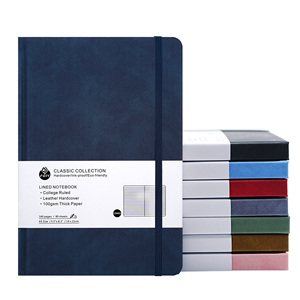
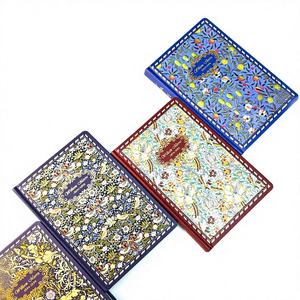
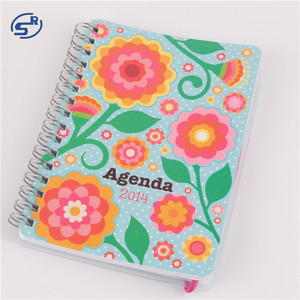

In the global papercraft and functional organization ecosystem, China has transitioned from a high-volume assembly center to the dominant hub for advanced precision printing, specialized adhesives engineering, and sustainable paper substrate manufacturing. For international retail brands, stationery publishers, and enterprise buyers searching for reliable China Top Washi Tape Manufacturers & Manufacturer partners, navigating this complex landscape requires a clear understanding of technical specifications, adhesive chemistry, and supply chain compliance standards.
Washi tape—traditionally crafted using natural fibers such as hemp, bamboo, or the bark of native Japanese trees like kozo and mitsumata—has evolved into a sophisticated, multi-billion-dollar global category. Modern decorative tape manufacturing blends ancient fiber pulping methodologies with high-speed flexographic and digital printing, pressure-sensitive acrylic adhesive formulation, and custom release-liner coating. Brands seeking competitive market advantages no longer compete solely on visual aesthetic; success depends on structural paper integrity, zero-residue peelability, dimensional foil accuracy, and long-term archival stability.
This industry whitepaper outlines the critical technical parameters, raw material selection matrices, manufacturing workflows, and future procurement strategies required to establish high-margin OEM/ODM partnerships with leading manufacturing facilities in China.
The performance of premium washi tape is defined by the chemical and physical harmony between three core layers: the facestock substrate, the pressure-sensitive adhesive (PSA) matrix, and the silicone release barrier. Premium manufacturers in China utilize state-of-the-art laboratory testing to measure tackiness, shear strength, tensile elongation, and temperature resilience.
Genuine craft washi utilizes long-fiber natural pulp (35–45 GSM) yielding optimal translucency, tear softness, and moisture stability. Cheaper wood-pulp imitations fail to deliver hand-tear capability and suffer from fiber fraying during application.
Formulated using water-based acrylic polymers (peel adhesion range: 1.5 to 2.5 N/25mm). Designed specifically to peel cleanly from delicate paper, glass, or plastic surfaces without transferring sticky residue or stripping underlying inks.
Ultra-thin silicone coating applied directly to the reverse side of the paper facestock or onto a dedicated PET release liner for die-cut tape formats. Ensures consistent unwind tension without causing layer delamination.
Building upon decades of specialized heritage—tracing root standards back to pioneering sticker and stationery crafters established since 1981—top-tier Chinese manufacturers integrate hand-finished dimensional art techniques with automated industrial scalability. When sourcing washi tapes and custom journals, enterprise buyers gain access to advanced production capabilities:
Standard commercial paper contains residual acids and lignin that cause yellowing, embrittlement, and photo degradation over time. OEM production lines utilize strictly acid-free and lignin-free chemical formulations. This ensures that custom washi tapes and planner stickers remain archival-safe for heritage scrapbooks, bullet journals, and museum-grade stationery projects.
Moving beyond flat single-pass rolls, modern facilities house multi-station rotary die-cutters capable of producing kiss-cut stamp tapes, scalloped edges, and 3D layered dimensional stickers built with micro-foam risers, epoxy domes, selective flocking, and foil stamping. Every layer is aligned to within ±0.1mm tolerances.
To assist procurement managers in evaluating factory samples, the following analytical matrix compares industrial-grade Japanese fiber washi against low-cost synthetic or standard wood-pulp paper tapes:
| Evaluation Parameter | Grade-A Natural Fiber Washi Tape | Standard Wood-Pulp Paper Tape | Synthetic Vinyl / PVC Decorative Tape |
|---|---|---|---|
| Fiber Substrate | Long-fiber natural pulp (Kozo/Hemp mix) | Short-fiber bleached wood pulp | Polyvinyl chloride or polypropylene film |
| Hand Tearability | Clean, effortless soft-edge tear | Stiff, uneven tearing with edge fraying | Requires scissors/cutters; stretches prior to break |
| Adhesive Chemistry | Water-based low-tack pure acrylic | Solvent-based synthetic rubber | High-tack pressure-sensitive acrylic |
| Surface Residue | Zero residue after 180+ days removal | Leaves yellow sticky film upon aging | Leaves high-tack chemical residue on paper |
| Print Resolution & Foiling | 350+ DPI micro-flexo; tight foil registration | Blurry ink bleed on porous surface | High color density; cannot achieve matte organic texture |
| Archival Safety | 100% Acid-Free & Lignin-Free (pH 7.5–8.5) | Acidic (pH 4.5–5.5); yellows over time | Non-biodegradable; plasticizer migration risks |
The global stationery market is undergoing rapid transformation driven by consumer demand for sustainability, luxury embellishments, and functional hybrid products. Sourcing directors must align their supply chains with four dominant trends defining the next decade of production:
Retail buyers in the EU and North America are eliminating shrink-wrap plastic. Forward-thinking manufacturers now offer glassine paper wraps, biodegradable cornstarch shrink films, and FSC-certified paper core tubes to achieve 100% plastic-free retail presentation.
Single-color foil stamping is being replaced by multi-tone cold foil combined with raised UV tactile gloss patterns. This creates dramatic visual depth on matte washi backgrounds, boosting retail perceived value.
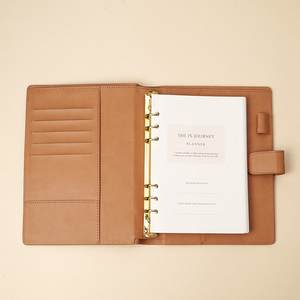
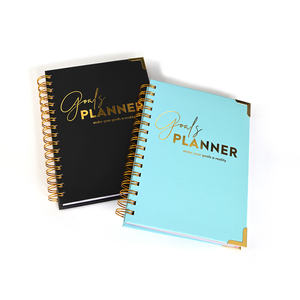
Washi tapes are increasingly bundled into holistic planning suites alongside undated weekly planners, custom binder journals, functional sticker books, and charm bookmarks. Unified OEM sourcing reduces freight costs and ensures color harmony.
Ensuring batch-to-batch consistency across millions of rolls requires rigorous quality assurance protocols at every point in the manufacturing process:
Pulp density, tensile strength, and pH level testing before paper slitting.
Micro-caliper measurement of back-release silicone layer for uniform tension.
Spectrophotometer color matching (Delta-E < 1.0) and laser alignment for foils.
High-speed rotary slitting to precise widths (3mm to 300mm) without edge distortion.
Aging test at 60°C and 80% humidity to confirm 3-year adhesive shelf life.
Answers to essential commercial and technical questions compiled by our senior engineering and export logistics directors:
Whether you are launching a flagship stationery collection, expanding a corporate merchandise program, or seeking high-capacity OEM manufacturing with strict compliance standards, our engineering team is ready to assist.