Engineered for precision folding, high tensile durability, archival permanence, and commercial retail distribution.
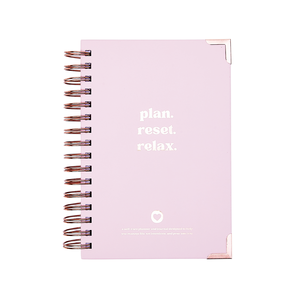
An authoritative breakdown of paper substrate innovation, supply chain compliance, and technical specifications shaping global papercraft sourcing for 2026–2030.
Global procurement standards are rapidly transitioning from standard wood pulp to sustainable virgin fibers, bagasse (sugarcane residue), bamboo pulp, and recycled post-consumer waste (PCW). China's leading mills are adopting closed-loop bleaching processes that eliminate elemental chlorine (ECF/TCF), ensuring strict compliance with EU Deforestation Regulation (EUDR) and US Lacey Act standards without compromising paper tear strength or color brilliance.
Commercial papercrafts and premium origami applications demand high pH neutrality (pH 7.5 to 8.5) buffered with calcium carbonate. Modern Chinese paper mills incorporate precise chemical sizing during wet-end paper formation. This prevents yellowing, fiber embrittlement, and acid migration over long storage horizons—critical for heritage scrapbooking, archival journaling, and museum-grade educational kits.
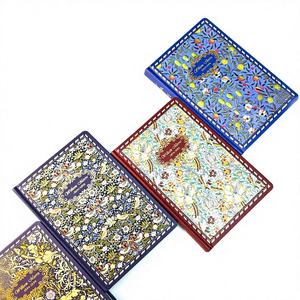
Advancements in dual-sided rotary flexographic and offset printing allow China's top paper manufacturers to apply distinct Pantone-matched solid colors (duotone) or intricate geometric patterns on opposite sides of a single sheet. Zero color bleed, precise registration, and water-based soy ink formulations ensure non-toxic handling for educational and hobbyist end-users worldwide.
Why professional origami paper, specialty journal stock, and craft papers require rigorous physical testing and structural engineering.
Unlike standard 80 GSM copy paper, specialized origami and craft paper requires a balanced longitudinal-to-transverse tensile ratio (MD/CD ratio close to 1.2). Chinese paper laboratories utilize MIT Folding Endurance Testers (ASTM D2176) to guarantee that paper sheets can withstand over 500 double folds at 180 degrees without fiber fracturing along the crease line. Control of pulp hydration and refining ensures clean, sharp folds for complex modular origami and structural bookbinding.
A crucial flaw in budget craft paper is non-square geometry. Top-tier OEM suppliers in China implement high-speed optical rotary cutters featuring real-time laser alignment. This achieves an exact 90° angle tolerance within ±0.05 mm across square formats (e.g., 15x15 cm, 20x20 cm, 30x30 cm). Perfect squareness eliminates misalignment errors during multi-step origami folds and mechanical collating during notebook assembly.
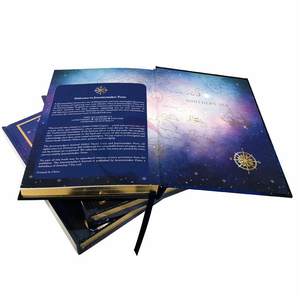
The surface friction coefficient of origami paper dictates its performance. Machine-calendered matte finishes provide optimal grip—preventing paper from slipping during intricate creases while avoiding sticky foil residue. Advanced finishing capabilities include soft-touch velvet laminations, foil stamping, spot UV accents, and embossed thermal linen textures for luxury agenda covers, planner refills, and decorative scrapbooking sets.
Four decades of heritage papercraft engineering, stringent quality assurance, and streamlined global export services.
From raw pulp batching and color matching to precision slitting, die-cutting, foil stamping, spiral wire binding, and automated shrink-wrapping—our cleanroom facility handles 100% of manufacturing steps under one roof. This guarantees total quality control, eliminates middleman markups, and provides batch-to-batch color consistency for large-scale international retail chains.
Every production batch undergoes comprehensive laboratory testing including spectrophotometer color-difference check (Delta E < 1.0), Cobb moisture absorption analysis, basis weight uniformity measurement (ISO 536), and heavy metal chemical screening (EN 71-3 & CPSIA compliant). Products are guaranteed safe for school classrooms, craft studios, and retail display.
We work directly with major global brands, independent stationery publishers, educational distributors, and museum stores. Our design and engineering department creates bespoke retail packaging, custom barcode headers, planogram counter displays, and fully licensed pop-culture stationery lines backed by complete export documentation and customs clearance support.
Match your market requirements with the exact paperweight, pulp type, and finishing technology.
| Paper Class / Grade | Grammage Range (GSM) | Primary Mechanical Characteristic | Optimal Sourcing Application | Key Compliance Standard |
|---|---|---|---|---|
| Standard Duo Origami Paper | 60 GSM – 70 GSM | High flexibility, sharp crease memory, non-cracking edge | Educational origami packs, beginner fold sets | EN71-3, ASTM F963 |
| Premium Washi / Kami Craft Paper | 75 GSM – 90 GSM | Long vegetable fiber blend, subtle texture, high tear index | Complex 3D origami, luxury craft kits, scrapbooking | FSC Mix, ISO 9706 Archival |
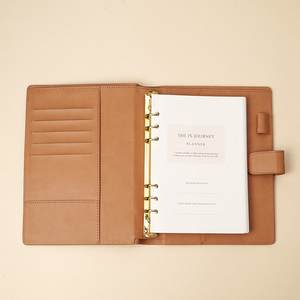
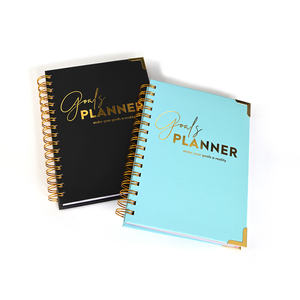
| Heavyweight Journal & Planner Stock | 100 GSM – 140 GSM | Zero fountain pen bleed-through, high opacity, smooth sizing | A5 6-ring refillable planners, spiral journals, agendas | Acid-Free, Lignin-Free |
| Specialty Metallic / Foil Laminated | 80 GSM – 120 GSM | Reflective surface coating, high stiffness, moisture barrier | Decorative holiday origami, gift boxes, hardcovers | REACH SVHC, RoHS |
Answers to common technical, logistical, and customization questions asked by international buyers.
Standard copy or construction paper has short wood fibers and high mineral filler content, causing it to crack along fold lines and buckle when folded multiple times. Specialized origami paper is produced with longer pulp fibers, controlled moisture calibration (4.5%–5.5%), and balanced machine-direction tensile strength. This allows sharp, precise creasing without tearing or surface whitening along edges.
Yes. All our paper series, planner refills, and craft stock are manufactured using acid-free and lignin-free wood pulp, buffered with calcium carbonate to maintain an alkaline pH level between 7.5 and 8.5. This prevents discoloration, embrittlement, and chemical degradation over decades, making them fully compliant with ISO 9706 archival permanence requirements.
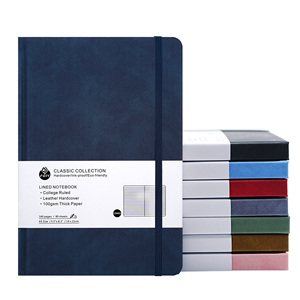
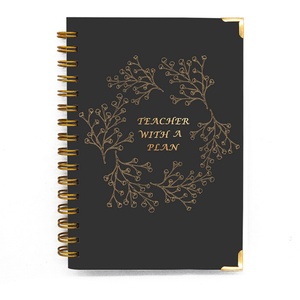
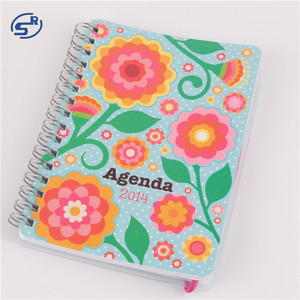
We offer full OEM/ODM flexibility: custom trim sizes (A4, A5, A6, B5, or non-standard squares), binding methods (metal twin-wire spiral, Smyth sewn hardcover, 6-ring loose-leaf binder, or saddle stitch), cover materials (PU leather, linen fabric, PP plastic, foil-stamped paperboard), custom inner page layouts, tab dividers, corner protectors, and branded retail packaging.
For standard stock paper specifications, our MOQ starts at 1,000 units per SKU. Fully customized OEM printing and proprietary packaging typically require an MOQ of 2,000 to 3,000 units. Digital proofing samples are delivered within 3–5 working days, while physical pre-production samples require 7–10 days following artwork confirmation.
We utilize X-Rite closed-loop spectrophotometer system during offset and flexographic printing runs, ensuring strict adherence to Pantone PMS color targets with a color variance Delta E of less than 1.0. Ink formulations are automated and logged to ensure exact color repeatability on reorders months or years later.
Our facilities are certified under ISO 9001 (Quality Management System) and ISO 14001 (Environmental Management System). Our wood pulp supply chain is FSC Chain-of-Custody certified. Finished paper goods meet European EN 71 Parts 1-3, REACH SVHC, US CPSIA, and California Proposition 65 safety regulations.
Contact our engineering and trade support team today for technical datasheets, custom factory quotations, and sample kit requests.