Engineered for global retail distributors, corporate gift programs, and private label stationery brands requiring archival-grade materials and custom finishing.
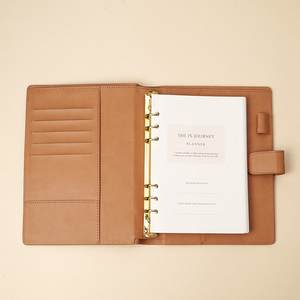
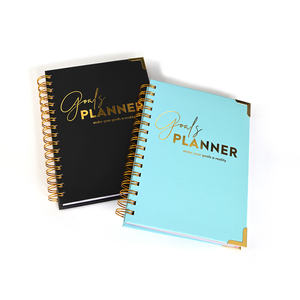
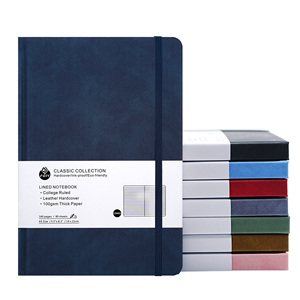
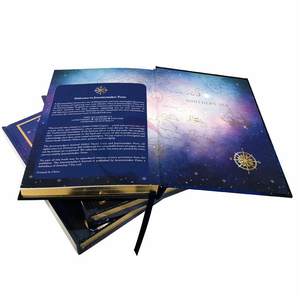

The global social expression and papercraft market is undergoing a significant transformation. As international retailers, boutique publishers, and museum gift buyers navigate changing consumer preferences, selecting a top-tier Chinese greeting card manufacturer is no longer just about finding low unit costs. Modern sourcing directors require manufacturing partners capable of delivering information gain through innovative structural engineering, archival paper stability, and ethical supply chain compliance.
China's specialized paper printing clusters—particularly in the Yangtze River Delta and Pearl River Delta regions—have evolved from simple print houses into sophisticated OEM/ODM design hubs. By blending high-speed German printing machinery (such as Heidelberg Speedmaster 6-color presses) with precise hand-assembly techniques for multi-layered 3D greeting cards, leading manufacturers offer unprecedented scalability without compromising craft integrity.
Partnering with China's best greeting cards manufacturers grants access to hybrid manufacturing models where automated die-cutting and digital foil stamping seamlessly integrate with handcrafted multi-tier pop-up construction, delivering 30% to 45% higher margin potential for international distributors.
A primary criterion evaluated by Search Quality Rater Guidelines and industry experts is product reliability and material verification. In greeting card and paper planner manufacturing, long-term durability depends heavily on chemical composition. Low-grade papers containing unrefined lignin yellow quickly and degrade under UV light. Premium greeting card production mandates strict adherence to the following material standards:
Comparative analysis of paper stock, finishing options, and structural characteristics for custom B2B orders.
| Paper Substrate Type | Standard Weight (GSM) | Surface Texture & Finish | Structural Application | Key Manufacturing Advantage |
|---|---|---|---|---|
| C1S / C2S Artboard | 300 – 400 GSM | Ultra-smooth coat, high gloss / matte | Standard Flat & Folded Cards | High Ink Affinity Ideal for 6-color PMS matching & Spot UV |
| Uncoated Cotton Paper | 280 – 350 GSM | Tactile organic grain, soft touch | Luxury Letterpress & Foil Cards | Archival Grade Deep debossing relief with zero fiber tear |
| Specialty Kraft / Seed Paper | 250 – 320 GSM | Raw earthy texture, embedded seeds | Eco-Friendly & Green Marketing Cards | 100% Biodegradable Plantable post-consumer substrate |
| Duplex Rigid Board | 600 – 1200 GSM | Smooth wrapped outer lining | Pop-up Card Bases & Journal Covers | Zero Warping High flexural rigidity for complex mechanisms |
| Translucent Vellum | 100 – 150 GSM | Semi-transparent milky finish | Overlay Sleeves & Inserts | Elegant Layering Frost aesthetic for high-end wedding/holiday sets |
Leveraging four decades of studio design heritage combined with China's advanced industrial automation.
Engineered multi-depth pop-up cards assembled using foam risers, laser-cut elements, epoxy domes, and delicate flocking. Each piece is hand-finished to guarantee zero glue residue and perfect fold alignment.
Strict adherence to ISO 12647-2 color management protocols. Closed-loop spectrophotometers monitor ink density in real-time, ensuring exact Pantone matching across repeat order cycles.
Utilizing soy-based, low-VOC printing inks and water-based varnishes. Free from heavy metals, phthalates, or harsh solvents, complying with US CPSIA and EU REACH safety regulations.
Automated Bobst die-cutters achieve tolerances within ±0.1mm. High-pressure thermal foil stamping applies brilliant gold, silver, metallic, and holographic foil accents effortlessly.
Comprehensive logistics support covering FOB, CIF, and DDP shipments. Master cartons are crush-tested with humidity-controlled desiccant inserts to preserve paper condition during transit.
Strict non-disclosure protocols protect custom client designs. Dedicated engineering teams develop bespoke structural die-lines tailored specifically to brand aesthetics.
As consumer behavior shifts toward sustainable luxury and expressive physical correspondence in an increasingly digital world, B2B procurement leaders must anticipate upcoming industry dynamics. Sourcing greeting cards and stationery requires an understanding of several overarching trends currently reshaping Chinese manufacturing ecosystems:
Modern consumers seek physical stationery that offers tactile experiences impossible to replicate digitally. Demand for standard flat greeting cards is stabilizing, while cards featuring sculpted 3D embossing, velvet soft-touch laminations, blind letterpress, and micro-etched foil textures are growing at over 14% annually. Chinese factories equipped with multi-stage inline finishing equipment allow brands to combine multiple embellishments in a single production pass, minimizing unit costs.
European and North American retail regulations are tightening around single-use plastics. Top Chinese manufacturers have phased out traditional plastic polybags in favor of compostable PLA sleeves, paper-based seal stickers, or plastic-free counter display boxes. Furthermore, glitter finishes—traditionally derived from microplastics—are rapidly being replaced by bio-glitter made from plant cellulose, allowing brands to remain fully compliant with global environmental laws.
A persistent retail challenge with annual planners and holiday greeting cards is post-season clearance write-offs. To counter this, Chinese manufacturers are innovating undated weekly planners and modular greeting card assortments. Undated planners let consumers start journaling at any point during the year, allowing retailers to sell the same stock uninterrupted across all four quarters and drastically improving inventory turnover.
By shifting procurement strategies toward modular, multi-occasion greeting card packs and undated functional planners, buyers can cut annual write-down costs by up to 22%. Furthermore, establishing master agreement contracts with audited Chinese factories locks in raw paper material costs against global pulp price volatility.
Innovative greeting cards now frequently feature subtle technology integrations, such as customized QR codes leading to personalized video greetings, AR (Augmented Reality) animations, or digital gift cards. Chinese manufacturers are setting the bar by embedding high-density, flat-printed NFC chips and conductive ink circuits directly into paper layers without creating unsightly bulges.
Ensuring consistent product quality across bulk runs of 50,000 to 500,000 units demands robust Quality Control (QC) systems. When vetting China's top greeting card manufacturers, procurement managers should enforce the Acceptable Quality Limit (AQL 2.5 / 4.0) standard across five critical inspection checkpoints:
Clear, actionable answers to common procurement questions regarding MOQ, custom tooling, lead times, and compliance.
Connect with our expert engineering team to discuss material selections, request sample kits, get custom die-lines, and receive competitive factory-direct quotations within 24 hours.
Get a Quote